
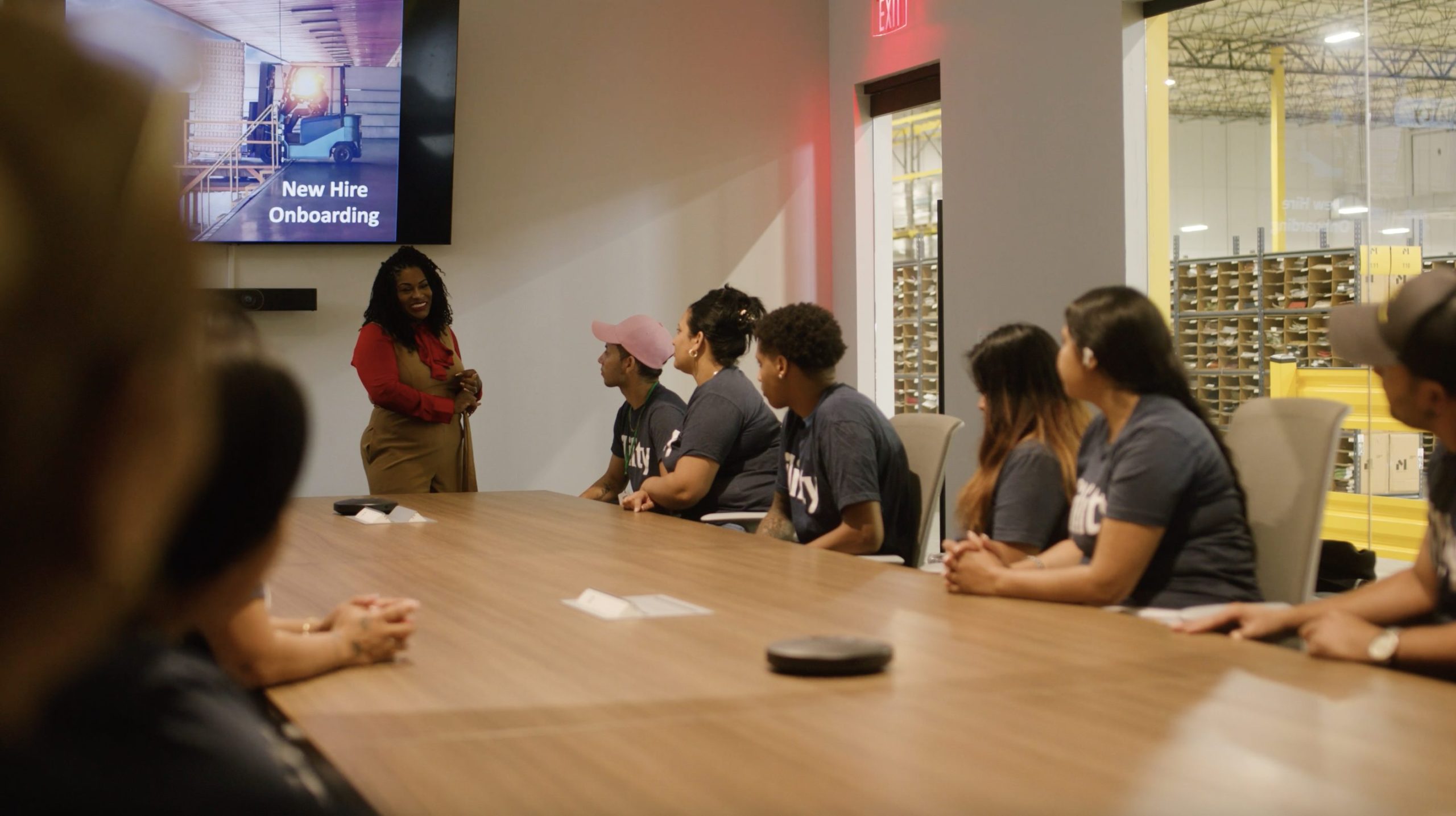
As 2025 winds down, many operations managers are taking stock of how their workforce held up during peak season. For many, the cracks showed most clearly in one place: reliance on temporary labor.
Temp staffing has long been a go-to solution for filling short-term gaps, especially during Q4 surges. But as the supply chain grows more complex, customer expectations rise, and budgets tighten, a key question emerges: is the temp worker model still fit for purpose in 2026?
The Hidden Risks of Temp Labor
On the surface, temp staffing looks flexible. You bring in extra hands when volume spikes, then scale back down when demand levels out. But behind that flexibility lie costly risks:
- Inconsistent Quality – Temps rarely have the same level of training or engagement as the core workforce. In industries like food processing or manufacturing, that inconsistency translates directly to waste, rework, and customer complaints.
- High Turnover – Temps tend to treat jobs as short-term stops. Constant churn drains productivity and puts added strain on full-time staff.
- Limited Loyalty – With little connection to the company, temps are less invested in quality, safety, or long-term goals. This lack of buy-in often shows up most during high-pressure periods.
- Hidden Costs – While temp staffing may appear cost-effective upfront, the downstream costs of errors, retraining, and lost productivity often outweigh the savings.
For retail and e-commerce, this played out in fulfillment centers where temps struggled to keep pace during Black Friday and Cyber Monday, leading to late shipments and higher return rates. For food operations, quality issues increased as temps rotated through production lines without deep training.
Why 2026 Demands a Different Approach
Looking ahead, labor challenges aren’t going away. Supply chain disruptions, rising wages, and customer expectations for speed and accuracy will continue to intensify. Operators will need labor strategies that are predictable, scalable, and sustainable.
Temporary labor doesn’t deliver on those fronts. Instead, a stronger model is emerging—one built around core, insourced teams who are trained, engaged, and flexible enough to adapt to demand.
What Smarter Labor Models Look Like
Forward-thinking operators are shifting away from temporary stopgaps and toward customized workforce solutions that offer the best of both stability and flexibility:
- Dedicated Core Teams – Instead of rotating temps, companies are investing in stable workforces trained specifically for their operations.
- Cross-Training and Flexibility – Employees trained across multiple functions provide surge capacity without the learning curve of new hires.
- Predictable Budgets – By reducing dependency on fluctuating temp rates, operators gain more control over labor costs.
- Improved Engagement – A committed workforce has a stake in the company’s success, driving better retention and higher productivity.
The result isn’t just smoother peak seasons—it’s year-round consistency.
The Bottom Line
Temporary labor may have been a convenient solution in the past, but as operations become more complex and expectations rise, the risks are too costly. The companies that thrive in 2026 will be the ones that rethink their labor strategies now, investing in workforce models that deliver consistency, quality, and scalability.
About iJility
At iJility, we help operators move beyond outdated temp labor models. Our workforce solutions are designed for long-term success—providing scalable, trained, and engaged teams that flex with your business without sacrificing quality. Whether you’re in retail, eCommerce, manufacturing, or food operations, we build a workforce that keeps your operations running smoothly in every season.
Don’t carry old labor problems into the new year. Schedule a discovery call with iJility today and discover how a smarter workforce model can transform your 2026 operations.
Author: Mitch Gant