
Key Takeaways
- Warehouse and fulfillment automation is accelerating rapidly, but worker anxiety around AI is outpacing communication about it
- What workers think about automation directly affects engagement, performance, and retention
- The operations navigating AI adoption best aren’t necessarily the most automated, they’re the best at communicating change
- Managers who get ahead of the conversation keep their best people through the transition
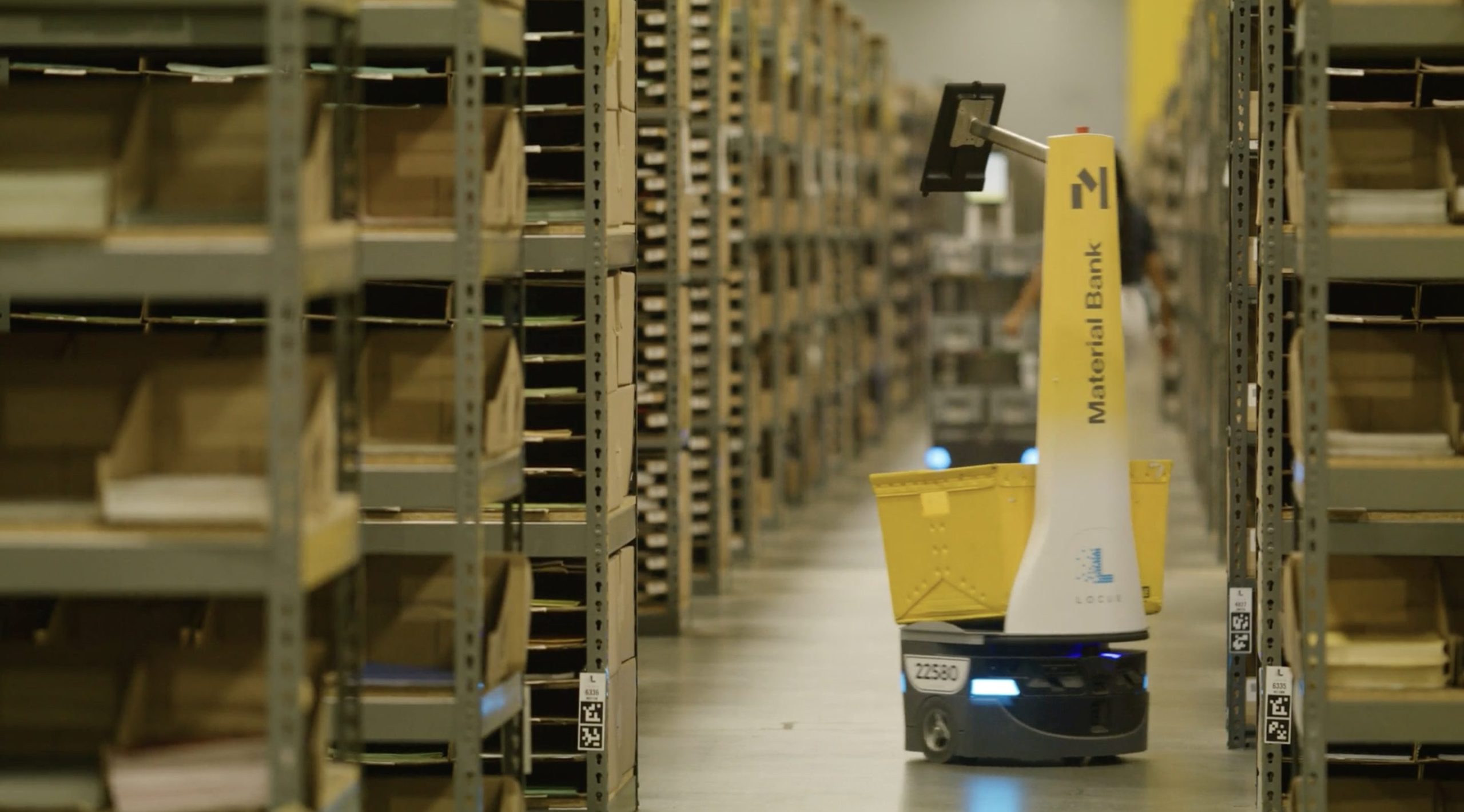
The robots are here. More are coming. Somewhere on your floor right now, your workers have opinions about that, whether anyone has asked them or not.
Automation and AI adoption in warehouse and fulfillment operations isn’t a future trend anymore. It’s a present reality, accelerating faster than most workforce strategies have been designed to handle. The technology conversation tends to stay at the leadership level: ROI, deployment timelines, vendor selection. Yet, the people responsible for making the operation actually run are drawing their own conclusions. When those conclusions go unaddressed, you don’t just have a technology problem. You have a retention problem.
What Workers Are Actually Worried About
The fear isn’t always “will I lose my job tomorrow?” It’s quieter and more corrosive than that. It’s watching new equipment arrive without explanation. It’s hearing rumors that a picking system is being automated and not knowing what that means for your role. It’s wondering whether the company is investing in technology because it values efficiency, or because it plans to need fewer of you.
Uncertainty is the real productivity killer. Workers who are anxious about their future with an organization disengage before they leave. They do the job, but they stop going beyond it. The institutional knowledge, the process shortcuts, the quality instincts that come from years on the floor, all quietly walk out the door long before anyone resigns.
The irony is that most operations investing in automation need their experienced workers more during the transition, not less. Those workers understand the process, catch the edge cases the robots miss, and keep the floor moving while new systems get calibrated. Losing them at exactly that moment is an avoidable and expensive mistake.
The Communication Gap Is the Real Problem
Most operations leaders aren’t trying to keep workers in the dark about automation. They’re focused on implementation timelines, budget approvals, and vendor coordination. The workforce communication piece gets deprioritized, not out of bad intent, but because there’s always something more urgent competing for attention. Workers notice that silence, and they fill it with their own assumptions.
The operations that handle AI and automation transitions best share a common trait: they communicate early, honestly, and repeatedly. Not polished corporate messaging delivered once at an all-hands meeting. Actual conversations happen between supervisor to worker, and manager to team. They address what’s changing, what isn’t, and what the path forward looks like for the people on the floor.
That kind of communication doesn’t require having all the answers. It requires being present enough to acknowledge the question.
Turning Anxiety Into Buy-In
Workers who understand the “why” behind automation are more likely to support it, and more likely to stay through the transition. That’s not just common sense. It’s what the data on successful automation deployments consistently shows.
The difference between a workforce that embraces new technology and one that resists it almost always comes down to whether they feel included in the process. Were they shown how the new system works before it arrived? Were they given a role in the transition, whether as trainers, system monitors, quality checkers, rather than just observers? Were their concerns acknowledged, or dismissed?
Upskilling is part of this equation too. Workers who see a clear path to developing new skills alongside new technology don’t experience automation as a threat. They experience it as an investment. And workers who feel invested in tend to stay.
What This Means for Operations Leaders
The technology conversation and the people conversation aren’t separate. Operations leaders who treat them as separate are setting themselves up for a transition that costs more, takes longer, and loses more talent than it needed to. The question isn’t whether automation is coming to your operation. It almost certainly is, or already has. The question is whether your workforce feels prepared for it, or blindsided by it.
That answer starts with a conversation most operations leaders haven’t had yet.
Do’s and Don’ts: Communicating AI and Automation to Your Workforce
✅ Do communicate early. Meaning, before equipment arrives, before announcements are made at the leadership level. Workers who hear about changes from their supervisors first feel respected. Workers who hear about it through the grapevine feel expendable.
✅ Do create visible upskilling pathways. Show workers specifically how their role evolves alongside the technology, not just that it will, but how.
✅ Do involve experienced floor workers in the implementation process. Their operational knowledge will make the transition faster and surface problems before they become costly.
❌ Don’t lead with efficiency metrics when talking to workers about automation. ROI language lands very differently on the floor than it does in the boardroom.
❌ Don’t assume silence means acceptance. Workers who aren’t asking questions in public are asking them in the break room. The answers they’re coming up with may be worse than the reality.
❌ Don’t treat workforce communication as a one-time event. Automation transitions happen in phases, and the conversation needs to happen in phases too.
About iJility
iJility helps operations leaders build workforces that are stable, engaged, and ready to adapt, including through the kind of technology transitions that are reshaping the industry. A workforce foundation built on consistency and trust doesn’t just survive automation adoption. It accelerates it.
If your operation is navigating an AI or automation transition, the workforce conversation matters as much as the technology one. Schedule a discovery call today to talk through your approach.
Author: Campbell Diehl